Social
H2 · Transition
Gelephu Mindfulness City: Bhutan's Sustainable Urban Harmony Model
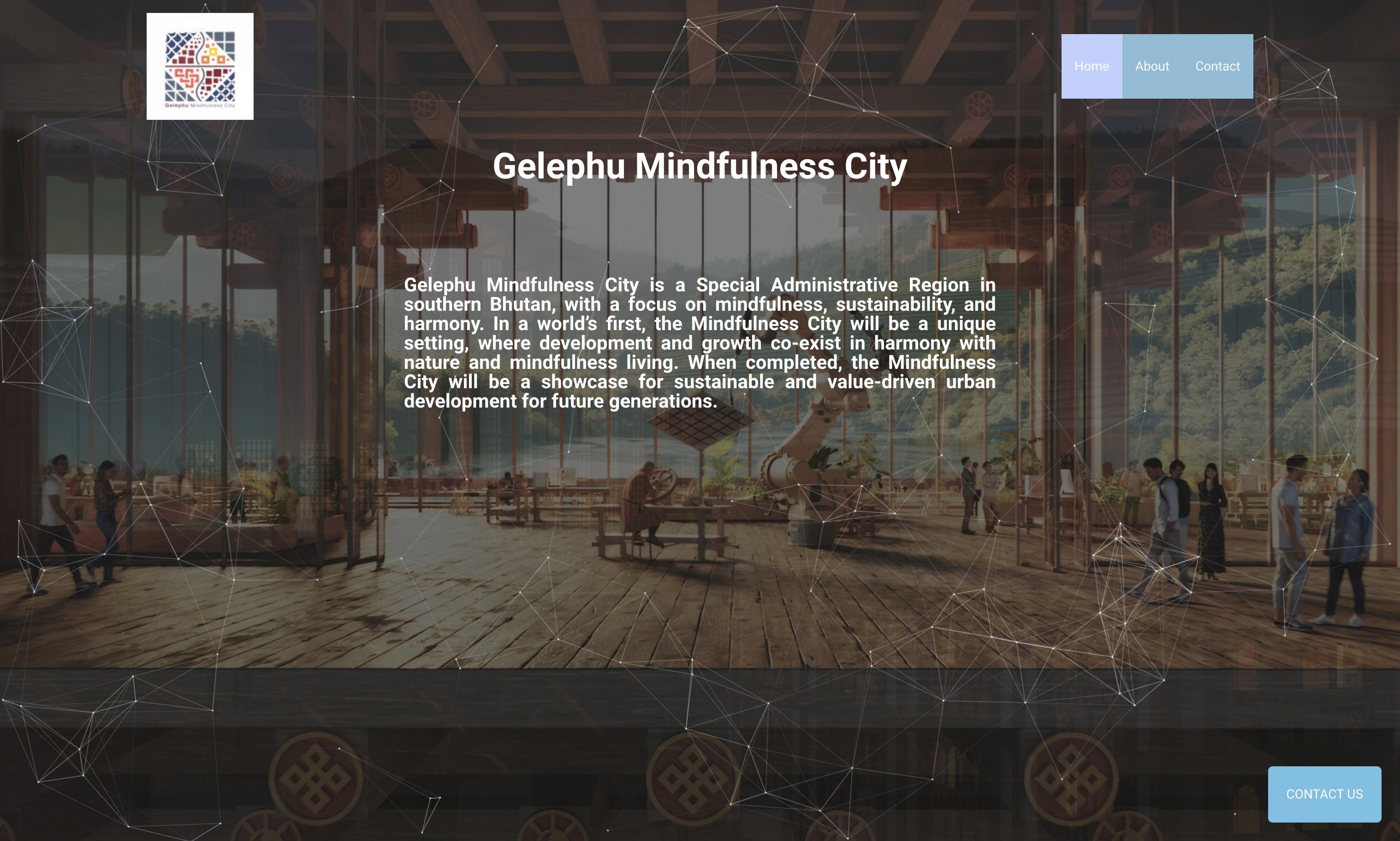
Gelephu Mindfulness City is a Special Administrative Region in southern Bhutan, designed to integrate mindfulness, sustainability, and harmony. It aims to be a pioneering model where urban development coexists with nature and mindful living. Upon completion, it will serve as a benchmark for sustainable and value-driven urban development, inspiring future generations.
Reading the signal
Four first readings, drafted with AI assistance in my scanning database and marked ready for editorial use. They are prompts for thinking, not findings.
01
How could the future be different?
Gelephu Mindfulness City signals a future shift toward urban models that prioritize well-being, ecological balance, and cultural values, potentially redefining humanitarian and international development by centering human flourishing and environmental stewardship as core metrics of progress.
02
What new possibility might emerge?
The emergence of Gelephu Mindfulness City could inspire a new generation of humanitarian and development initiatives that measure success through collective well-being, ecological regeneration, and cultural resilience, potentially leading to global urban networks that prioritize inner and outer harmony as foundational to sustainable progress.
03
What might be the downside?
This could marginalize urgent basic needs in vulnerable regions, diverting resources from poverty, health, and crisis response.
04
Implications for development
The emergence of Gelephu Mindfulness City highlights a trend towards integrating sustainability and mindfulness in urban planning, potentially transforming city designs to prioritize holistic well-being, though it may also lead to increased living costs and socio-economic disparities.
More signals


Overview
How this signal is classified.
PESTEL+
Social · Environment
Time horizon
H2 · Transition
Scan type
Government Project
Country
Bhutan
Source date